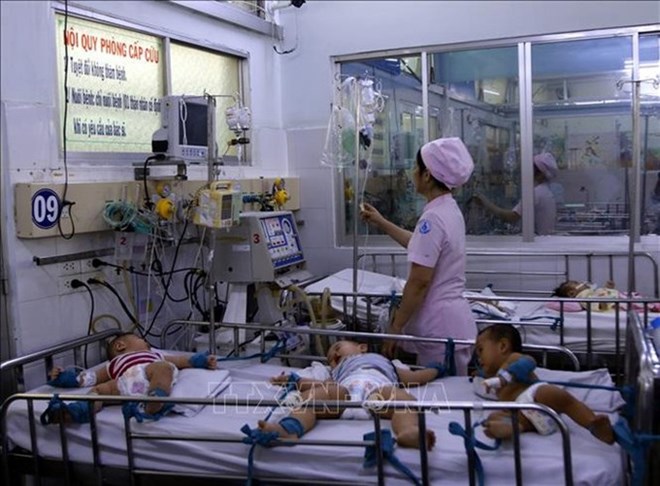
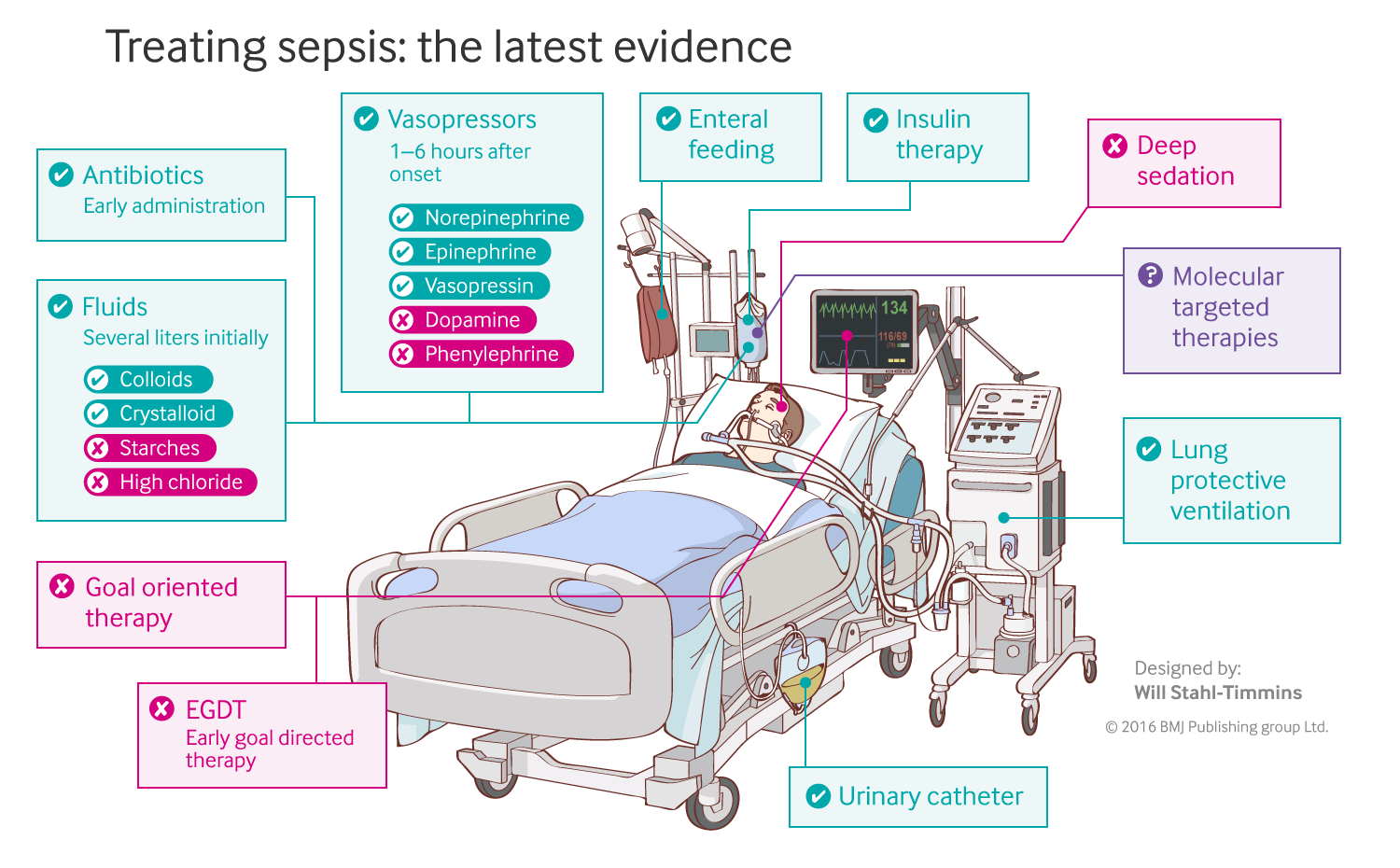
Intravenous therapy (IVT) is a medical process that delivers medicines, liquids as well as nutrients straight to the bloodstream of an individual. The intravenous pathway of medicine delivery is frequently used for hydration or for replenishing nutrients that are not absorbed appropriately by the body from food and beverages. When IV therapy is used as a fat burning treatment, it provides a hassle-free method of delivering hydration to the body and also promoting the failure of fat. IVT also delivers nourishment to the body in fluid kind. Although IVT is not made use of to change water intake as a substitute for solid food, it can be utilized along with a healthy and well balanced diet regimen to enhance the IVR.
Throughout an IVR session, the healthcare specialist will place needles into various points on the body. Depending on the demands of the patient, the intravenous therapy will be provided at different times. When intravenous treatment is carried out, the needles are inserted right into vein networks that clear into the legs, stomach, or even various other vessels. As the needle relocates with the blood vessel, blood is forced back right into the heart through the cannula, which is a small hollow tube. Once the blood has reached the heart, pumps it back to the pump, where it is pumped once again through the capillaries.
A possible problem of intravenous therapy is embolism. Called an “animate artery”, blood clot is when a blood clot types in a capillary, normally in a leg. The blood clot, as soon as formed, may block blood flow to the remainder of the body. If this happens, the person will start to really feel discomfort or pain, or may at some point break down.
<iframe width="560" height="315" src="https://www.youtube.com/embed/4yKIY1jGuHE" frameborder="0" allow=" https://www.pharmacytimes.com/news/differentiating-characteristics-and-evaluating-intravenous-subcutaneous-immunoglobulin ; encrypted-media; gyroscope; picture-in-picture” allowfullscreen>
While not normally harmful, one common negative effects of intravenous therapy for any condition is reduced blood pressure. For individuals with digestive disorders such as Crohn’s disease or ulcerative colitis, this can be unsafe. In these conditions, hydration is particularly essential. If low high blood pressure is treated with IV hydration, it is possible to stop major damage from taking place to the body. Keeping the bloodstream circulating is the fastest method to supply nutrition and also oxygen to all parts of the digestive system, including the mind.
How To Be IV Therapy Nursing
To assist in IV accessibility gadgets, there are two fundamental kinds of IV therapy: intravenous and also oral. In an intravenous therapy session, medication is provided to the person either intravenously or orally. Oral drugs are absorbed with a vein, while a dose of intravenous therapy takes place in the blood stream through the blood vessel. The medications utilized might be separated based upon the ailment. Some patients may need a mix of both techniques.
Although there are different drugs that are administered via the capillary, IV infusion treatment approaches tend to be extra common. An iv specialist administers medication right into the client’s vein via making use of a pump or cannula. IV specialists can also inject drugs directly right into the areas impacted by specific conditions, however this is not usually needed.
What Is IV Therapy Nursing
For the most part, IV therapy includes the management of medicine intravenously, yet in some circumstances, oral drugs might be provided rather. Common medications utilized in the treatment of Crohn’s condition include aminosalicylates, which are made use of to deal with inflammation and also infection, and also sulfasalazine, which is made use of to treat infection as well as various other bodily features. https://docs.google.com/document/d/1UMg8Ipf3WPAdujE3Th6PIHozT0QoHaT6AL214_t5-Tw/edit?usp=sharing that might be carried out via a recurring infusion are immunosuppressants, such as azathioprine and mercaptopurine, that treat specific conditions caused by infections and also bacteria.
What Is The Role Of The Primary Care Provider In IV Therapy
Watering as well as IV therapy loss under the major kinds of IV therapy, and there are other kinds of IV treatment. Some usual instances include percutaneous nephrolithotomy, which are done by putting a tool with the skin right into the anus to get to the blood vessel; retrocardial laser infusion, which are done by using a laser to warm small quantities of blood and afterwards infusing it into the damaged area; and also smooth muscle excitement, which involves utilizing electric currents to promote the muscles in the body to relieve pain. There are other primary types of IV treatments, such as pharmacological, mechanical, cellular, bioenergetic, as well as natural methods. Watering therapy and also IV therapies are very crucial, and there are a number of reasons for doing so.




 The Journaling of Dissing 677